
Experience the transformative power of training at home. Discover effective techniques for cultivating discipline, developing strength, and achieving your martial arts goals, all within the comfort of your own space.
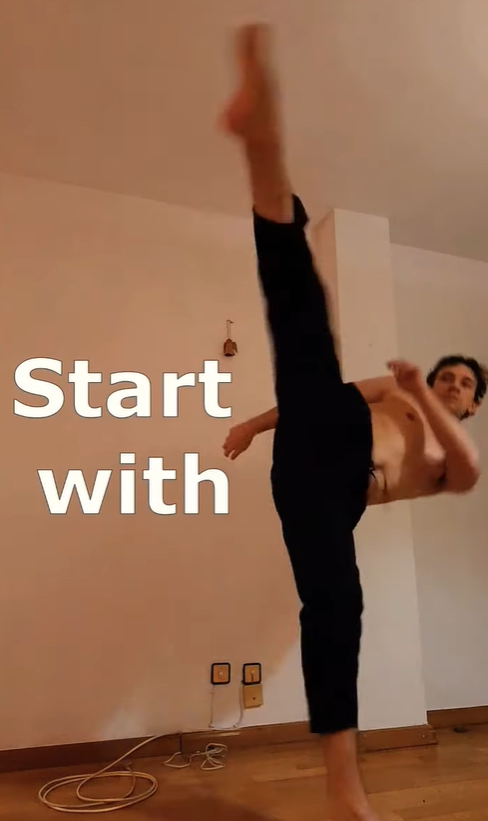
The video below is me near the beginning of my journey, I was practicing simple kicking drills and leg strength exercises. For speed, stamina, and coordination.
Your Inner Warrior: The Mikitadou Approach to Home-Based Martial Arts Training
Tired of the gym scene? The constant noise, the crowded equipment, the pressure to conform? You’re not alone. Many martial artists and gym-goers are discovering the transformative power of home training, a sanctuary for cultivating discipline, focus, and a deeper connection with their practice. I, for one, fully embrace this philosophy, offering a holistic approach that blends the ancient wisdom of martial arts with the practicality and freedom of training within your own space. Crucially, whether you’re a martial artist, recovering from an injury, focused on general health and well-being, or aiming to improve performance in other sports, stretching plays a vital role in any home workout routine, especially for beginners. It helps prevent injuries, improves range of motion, and aids in recovery.
Imagine this, no more distractions, no more awkward gym stares. Just you, your chosen weapons, whether it’s a set of resistance bands, your own bodyweight, or even a sturdy chair, and the quiet focus of your own home. Your living room becomes your dojo, a sacred ground where you can explore your limits, push your boundaries, and truly connect with your inner warrior.
It goes beyond the physical
In the end of the day, whether you are interested in competing, getting in shape, or are just striving to become the best version of yourself, It’s all about cultivating a holistic approach to well-being, encompassing mind, body, and spirit. We’re not just talking about pumping iron; we’re talking about dynamic workouts that challenge your strength, agility, and creativity. Imagine explosive calisthenics routines that test your limits, incorporating everyday objects into your training to enhance your problem-solving skills, and exploring unconventional movement patterns to unlock hidden potential.
But my approach is more than just a collection of exercises, it’s a philosophy of movement. We emphasize mindfulness in motion, encouraging you to connect with your breath, focus your mind, and develop a deeper awareness of your body and its sensations. Each movement becomes an opportunity for introspection, allowing you to cultivate a sense of calm amidst the intensity of the workout. You learn to move with intention, to find fluidity in every motion, and to cultivate a sense of grace and power in your movements. Crucially, as you progress, make sure to find the space and time to start practicing combinations of these movements. Working on combos not only does wonders for your cardio, but it also significantly increases your coordination and the actual combat utility of your practice, bridging the gap between isolated exercises and practical application.
Drawing inspiration from internal Chinese martial arts, such as Baguazhang, and a Soviet martial art philosophy called Systema, Mikitadou emphasizes natural movement, adaptability, and the development of a strong, resilient body. We explore concepts like groundwork, breathwork, and the cultivation of internal energy, understanding that true strength comes from within. Systema teaches us to move with economy of motion, to utilize leverage, and to respond effectively to unexpected situations.
Shadow boxing plays a crucial role in solo martial arts practice, allowing practitioners to refine their techniques, improve their footwork, and enhance their ability to visualize and anticipate movements in combat. This practice helps integrate the principles of natural movement and adaptability into your training. These principles are seamlessly integrated into the Mikitadou training regimen, enhancing your overall awareness, responsiveness, and ability to adapt to any situation.
Cultivate mental fortitude and resilience
Through consistent practice, you learn to overcome challenges, push your limits, and develop unwavering discipline. You learn to quiet the mind, cultivate focus, and find inner peace even in the midst of intense physical exertion. This mental fortitude extends beyond the training mat, empowering you to navigate life’s challenges with greater confidence and resilience.
Creating Your Home Training Sanctuary
Transforming your home into a dedicated training space can significantly enhance your experience.
- Find a quiet space: Choose a location in your home where you can minimize distractions.
- Create a dedicated training area: Even a small corner of your living room can be transformed into your personal dojo. Designate a specific area for your training, perhaps by using a yoga mat or a small rug to mark the space.
- Gather your tools: Collect the necessary equipment, such as resistance bands, a yoga mat, a stability ball, a jump rope, a pull-up bar (if possible), and any other tools you plan to use.
- Set the mood: Dim the lights, play some inspiring music (or nature sounds), and use aromatherapy to create a relaxing and motivating atmosphere.
- Minimize distractions: Put your phone on “Do Not Disturb” mode, let your family know you’re training, and create a peaceful environment conducive to focused practice.
Making Home Training Sustainable
Consistency is key. Schedule regular training sessions into your daily or weekly routine. Start small and gradually increase the intensity and duration of your workouts. Find an accountability partner or join an online community to share your progress and stay motivated.
Celebrate your victories, no matter how small. Acknowledge your accomplishments and appreciate the progress you’ve made.
Remember to prioritize rest and recovery. Adequate sleep, proper nutrition, and regular breaks are crucial for optimal performance and injury prevention. Listen to your body, and don’t hesitate to adjust your training schedule as needed.
Beyond the Physical:
Training extends beyond physical training. It’s about cultivating a deeper understanding of yourself, your strengths, and your limitations. It’s about developing self-awareness, cultivating self-discipline, and fostering a sense of self-reliance.
- Explore different training methods: Experiment with different training styles, such as calisthenics, yoga, tai chi, and meditation.
- Incorporate mindfulness practices: Integrate mindfulness techniques into your daily life, such as mindful breathing, meditation, and mindful walking.
- Connect with nature: Spend time outdoors, connect with nature, and find inspiration in the natural world.
- Cultivate a healthy lifestyle: Prioritize healthy eating habits, adequate sleep, and stress management techniques.
- Explore the philosophy of martial arts: Delve deeper into the philosophical and spiritual aspects of martial arts. Read books, watch documentaries, and engage in discussions with other practitioners.
In the video below you can see some of my basic kicking drills that I do on the daily basis, as well as my first ever 1-hand-push-up! I could do only 1 per side at the time! But I felt ecstatic!
The Mikitadou journey is not a linear one. It’s a continuous process of exploration, experimentation, and self-discovery. Embrace the challenges, celebrate your victories, and learn from your setbacks. This is your journey; your path to mastery.
Ready to unleash your inner warrior? Check out the blog and my article sections and discover the power of home training with Mikitadou and experience the transformative power of movement within the sanctuary of your own home.
Q&A: The Importance of Home Training
- Q: Why is training martial arts at home important, even if I also train at a dojo or gym?
- A: Home training allows for consistent practice, skill refinement, and personal exploration. It provides the opportunity to work on weaknesses, solidify fundamentals, and experiment with new techniques at your own pace. It also fosters self-discipline and independence.
- Q: Can I only train at home and still make progress?
- A: Yes, especially for building a strong foundation and improving physical and mental fitness. While partner work and live instruction are invaluable, dedicated home training can significantly enhance your skills and physical conditioning. This article provides the tools and guidance to make that happen.
- Q: What are the biggest advantages of training martial arts at home?
- A: Flexibility is key. You can train whenever it fits your schedule, without travel time or gym fees. You also have complete control over your training environment and can focus on your specific needs. Without being distracted by the others. Its like playing Violin and let your self-expression flow.
Creating the Ideal Training Environment:
- Q: How do I create a dedicated training space at home, especially if I have limited space?
- A: You don’t need a large dedicated room. Clear a space in your living room, bedroom, or even a hallway. The key is to have enough room to move freely without bumping into furniture. Consider using mats if you plan on doing groundwork or falls.
- Q: What about flooring? Is it important?
- A: Yes, appropriate flooring can prevent injuries. Hardwood or carpeted floors are generally suitable for most striking and movement drills. Avoid slippery surfaces like tile or linoleum. If possible, invest in interlocking foam mats for added cushioning, especially if you plan on practicing throws or takedowns.
Training Methods and Habits:
- Q: What kind of training methods can I use at home?
- A: Many methods are effective for home training, including shadowboxing, bag work (if you have a bag), resistance band training, bodyweight exercises, flexibility and mobility drills, visualization, and reviewing instructional material.
- Q: How do I structure my home training sessions?
- A: Start with a warm-up, followed by skill development (technique practice), conditioning (strength, cardio, flexibility), and a cool-down. Vary your workouts to avoid plateaus and maintain interest.
- Q: How can I cultivate healthy training habits?
- A: Set realistic goals, create a consistent training schedule, track your progress, and find ways to stay motivated. Even short, regular sessions are more effective than infrequent, long ones.
Essential Tools and Setting the Mood:
- Q: What are the essential tools for home martial arts training?
- A: You can start with minimal equipment: comfortable workout clothes, a timer, and some open space. As you progress, consider adding resistance bands, a jump rope, focus mitts (if you have a training partner available occasionally), or a heavy bag (if space and budget allow).
- Q: How can I set the right mood for my training sessions?
- A: Create a dedicated training space, play motivating music, use lighting to enhance focus, and eliminate distractions. Make it a space you enjoy being in.
- Q: What are some good resources for finding home training routines and exercises?
- A: There are numerous online resources, including instructional videos, articles, and training programs. This website aims to be one of those valuable resources!
Minimizing Distractions:
- Q: How do I deal with internal distractions like lack of motivation or wandering thoughts?
- A: Set clear goals for each training session, use a timer to stay focused, practice mindfulness or meditation techniques before training, and remind yourself of your reasons for training.
- Q: How do I minimize external distractions during my home training?
- A: Choose a quiet time and place to train, inform household members that you need uninterrupted time, turn off notifications on your phone and computer, and create a dedicated training space free from clutter.