
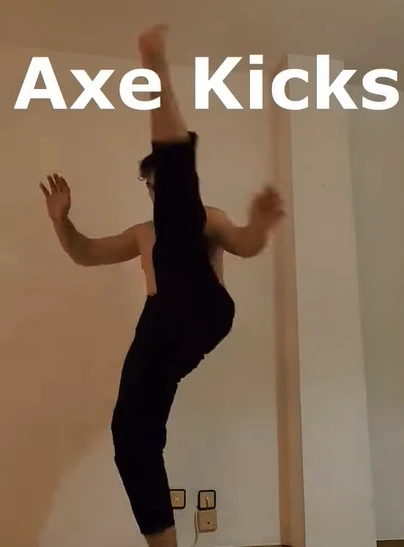
So, you’ve been diligently practicing your punches and kicks in your living room. You can throw a jab that would make a boxer proud (or at least make your cat jump), and your roundhouse kick is starting to resemble something other than a wobbly flamingo. Congratulations! You’ve graduated from striking kindergarten. Now, it’s time to enter the exciting, and slightly more chaotic, world of combinations.
Think of it this way, practicing individual strikes is like learning musical notes. You can play a perfect C note, a beautiful G, but until you string them together, you don’t have a melody. Striking combinations are the melodies of martial arts, they’re where the magic happens.
Why Combinations Are a Whole Different Beast (and Why That’s Awesome)
Let’s be real, throwing one punch is easy. Throwing five in rapid succession while maintaining balance, power, and good form? That’s a whole different story. Here’s why combinations are a step up:
- Endurance Test: Suddenly, you’re not just throwing one strike, you’re throwing several, which taxes your cardiovascular system and muscular endurance much more. Prepare to breathe a little heavier (and maybe sweat a little more… apologies to your carpet).
- Coordination Central: Combining different strikes requires higher levels of coordination. You’re not just moving one limb; you’re coordinating your entire body, legs, hips, core, and arms in a fluid, synchronized motion. It’s like conducting your own personal orchestra of violence (in a controlled and safe way, of course).
- Strategic Thinking: Combinations aren’t just random strings of strikes, they’re strategic sequences designed to open up opportunities, overwhelm your opponent (or, in this case, your imaginary opponent), and control the flow of the “fight.”
Beginner-Friendly Combinations to Get You Started
Here are a few basic combinations to get you started on your path to becoming a striking maestro:
- 1-2 (Jab-Cross): The bread and butter of boxing and many other striking arts. Throw a jab with your lead hand, followed immediately by a cross with your rear hand. This is a great combination for establishing distance and setting up other attacks.
- Jab-Cross-Hook: This adds a hook to the end of the 1-2. Jab, cross, then bring your lead hand around in a hook. This is a classic combination for closing the distance and landing a powerful finishing blow.
- Front Kick-Cross: This combines a kick with a punch. Throw a front kick with your lead leg, then immediately follow up with a cross from your rear hand. This is a good combination for keeping your opponent at bay and creating openings for follow-up attacks.
- Low Kick-Cross-Hook: A more advanced combination that combines a low kick with punches. Throw a low kick with your lead leg, followed by a cross and then a hook. This is a powerful combination that targets multiple levels.
Important Considerations and Advice
- Focus on Form First: Don’t worry about speed or power at first. Focus on executing each strike in the combination with proper form. Speed and power will come with practice.
- Start Slow: Begin by practicing the combinations slowly, breaking them down into individual movements. Gradually increase the speed as you become more comfortable.
- Maintain Balance: Balance is crucial in combinations. Make sure you maintain a stable base throughout the sequence.
- Breathe: Remember to breathe! Holding your breath will only tire you out faster and compromise your technique.
- Practice Regularly: Consistency is key. Even short, regular practice sessions are more effective than infrequent, long ones.
- Creative training: With time, one you get more confident in your techniques, you can start practicing with candles placed on different levels, so you can train accuracy and the maximal delivery of power through the kinetic chain. Just make sure to keep candles at least 30cm away from your strikes for safety.
Increasing the Difficulty Over Time
Once you’ve mastered the basic combinations, you can start to increase the difficulty by:
- Increasing Speed and Power: As your technique improves, you can start to focus on increasing the speed and power of your strikes.
- Adding Footwork: Incorporate footwork into your combinations, such as stepping in, stepping out, or pivoting.
- Adding More Strikes: Add more strikes to your combinations to create longer, more complex sequences.
- Combining Different Types of Strikes: Mix punches, kicks, knees, and elbows to create more varied and unpredictable combinations.
- Working on Different Angles: Practice throwing combinations from different angles and stances.
Lets go from from Strikes to Combos
Mastering striking combinations is a rewarding process that will take your martial arts training to the next level. It’s not just about throwing punches and kicks; it’s about creating a flowing, dynamic, and effective system of offense and defense. With consistent practice and a focus on proper technique, you’ll be conducting your own symphony of violence (again, in a controlled and safe way) in no time. So, get out there, start combining, and have fun! Just try not to knock over any lamps in the process.
Q&A Mastering Combinations
- Q: What’s the difference between practicing individual strikes and practicing combinations?
- A: Practicing individual strikes is like learning musical notes; you’re mastering the individual components. Combinations are like melodies; they string those notes together into a flowing sequence, requiring greater coordination, endurance, and strategic thinking.
- Q: Why are combinations more challenging than single strikes?
- A: Combinations require more endurance as you’re throwing multiple strikes in quick succession. They also demand higher levels of coordination to synchronize your entire body and involve strategic thinking to link strikes effectively.
- Q: What are some beginner-friendly striking combinations I can start practicing at home?
- A: Some good starting combinations include the 1-2 (jab-cross), jab-cross-hook, front kick-cross, and low kick-cross-hook. These combinations are fundamental and help develop basic coordination and timing.
- Q: What should I focus on when first learning combinations?
- A: Initially, prioritize proper form over speed and power. Break down the combination into individual strikes, practice them slowly, and gradually increase the speed as you become more comfortable. Maintaining balance and breathing correctly throughout the sequence is also crucial.
- Q: How can I increase the difficulty of combinations as I progress?
- A: You can increase the difficulty by increasing speed and power, incorporating footwork, adding more strikes to create longer sequences, combining different types of strikes (punches, kicks, knees, elbows), and working on different angles and stances.
- Q: Can I practice combinations effectively at home without a partner or heavy bag?
- A: Yes, shadowboxing is an excellent way to practice combinations at home. Focus on visualizing a target and maintaining proper form and footwork. While a heavy bag or partner work can enhance training, shadowboxing allows you to develop timing, coordination, and technique effectively in a solo setting.
Leave a Reply